How to Grow Marijuana Indoors: A Complete Guide to Potency and Plant Quality
SEO Title: How to Grow Marijuana Indoors: Potency, Quality, and Essential Tips
Introduction to Indoor Marijuana Growing
Learning how to grow marijuana indoors involves understanding plant development, environmental conditions, and the factors that influence potency. Indoor cultivation gives growers greater control over lighting, temperature, humidity, and plant health. At Hall of Flame Official, we recognize the importance of understanding cannabis quality, including THC concentration, aroma, and overall flower characteristics.
Choosing the Right Cannabis Genetics
Genetics play a significant role in determining a cannabis plant’s potential potency, aroma, flavor, and growth characteristics. Different varieties produce different cannabinoid and terpene profiles. Some cultivars naturally develop higher THC concentrations, while others contain more CBD or offer balanced cannabinoid levels.
Growers should research cultivar genetics carefully and select seeds from reputable sources. However, genetics establish potential rather than guarantee a particular potency level.
Understanding Indoor Growing Conditions
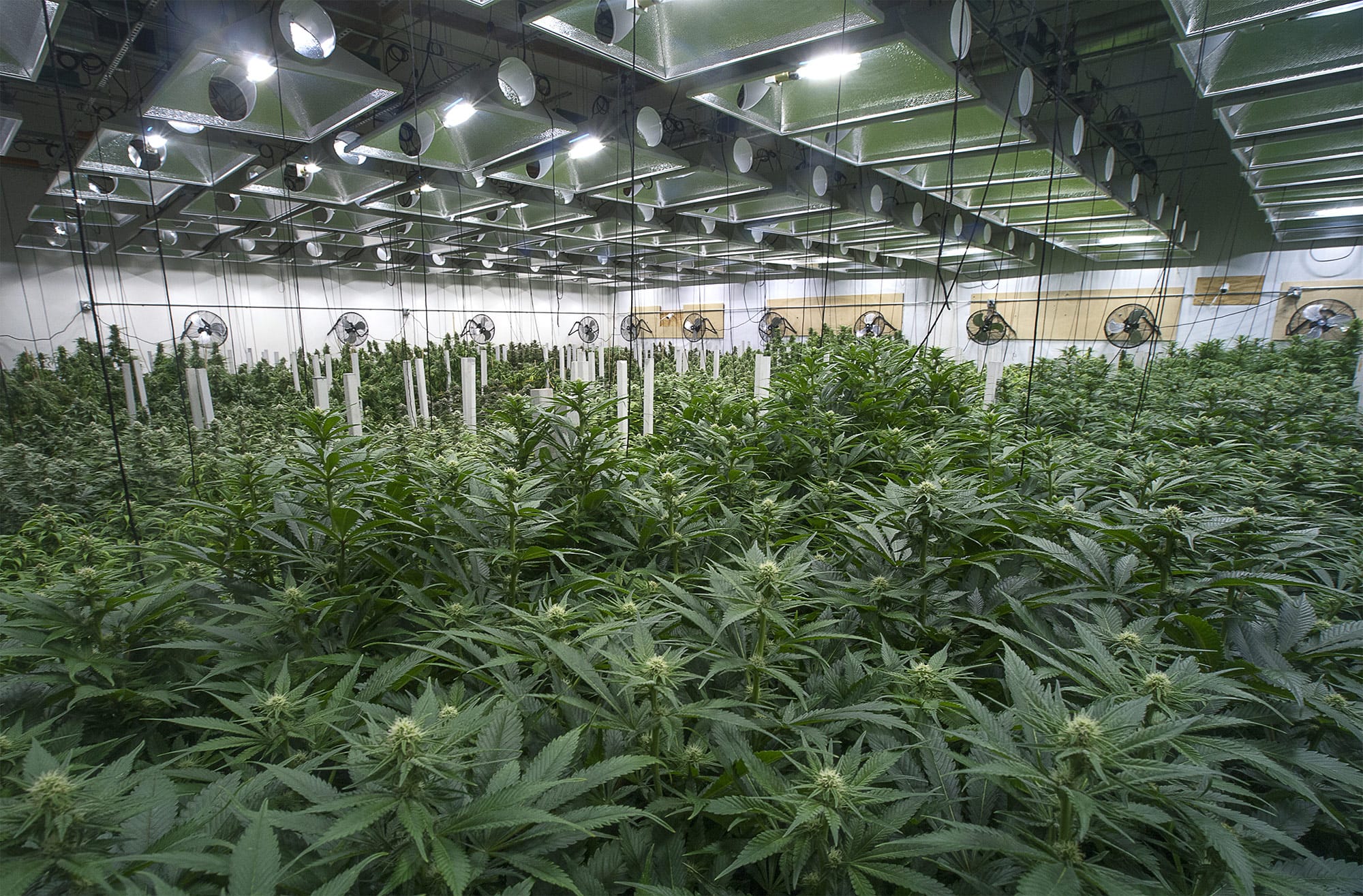
Indoor cannabis cultivation requires careful environmental management. Plants depend on suitable lighting, appropriate airflow, balanced moisture, and healthy growing conditions throughout their development.
Lighting supports photosynthesis and influences plant growth. Proper ventilation helps regulate temperature and humidity while reducing conditions that encourage mold. Growers must also understand the importance of suitable growing media, responsible watering, and appropriate plant nutrition.
Local cultivation laws should guide every growing decision. Always follow applicable regulations and safety requirements.
What Determines Marijuana Potency?
Cannabis potency primarily depends on cannabinoid concentrations, especially tetrahydrocannabinol (THC). Genetics, plant health, environmental stress, maturity, harvesting practices, and post-harvest handling can all influence the final product.
THC percentages vary considerably between cultivars and individual batches. Some flower products test below 15% THC, while selected high-THC varieties may exceed 25%. These figures represent general examples, not guaranteed results for a particular strain.
Consumers should rely on independent laboratory testing rather than appearance, smell, or marketing claims when evaluating potency.
Harvesting, Drying, and Curing
Post-harvest handling helps preserve cannabis quality. Excess moisture can encourage mold, while excessive heat and poor storage conditions can degrade cannabinoids and aromatic compounds.
Careful drying, appropriate curing, and storage in clean, airtight containers away from heat, light, and excess moisture help maintain flower quality. Growers should never distribute or consume material that shows signs of contamination.
Final Thoughts
Understanding how to grow marijuana indoors requires knowledge of genetics, environmental management, plant health, and potency testing. Hall of Flame Official encourages informed decisions about cannabis quality, responsible handling, and compliance with local laws. Reliable information and laboratory testing provide a stronger foundation for evaluating cannabis potency than unsupported claims.